
SiRay Energy / Suzhou, China

Power Beyond the Grid

Storage, EV charging and PV cleaning for off-grid sites.

Scroll

Our product lines

What We Build

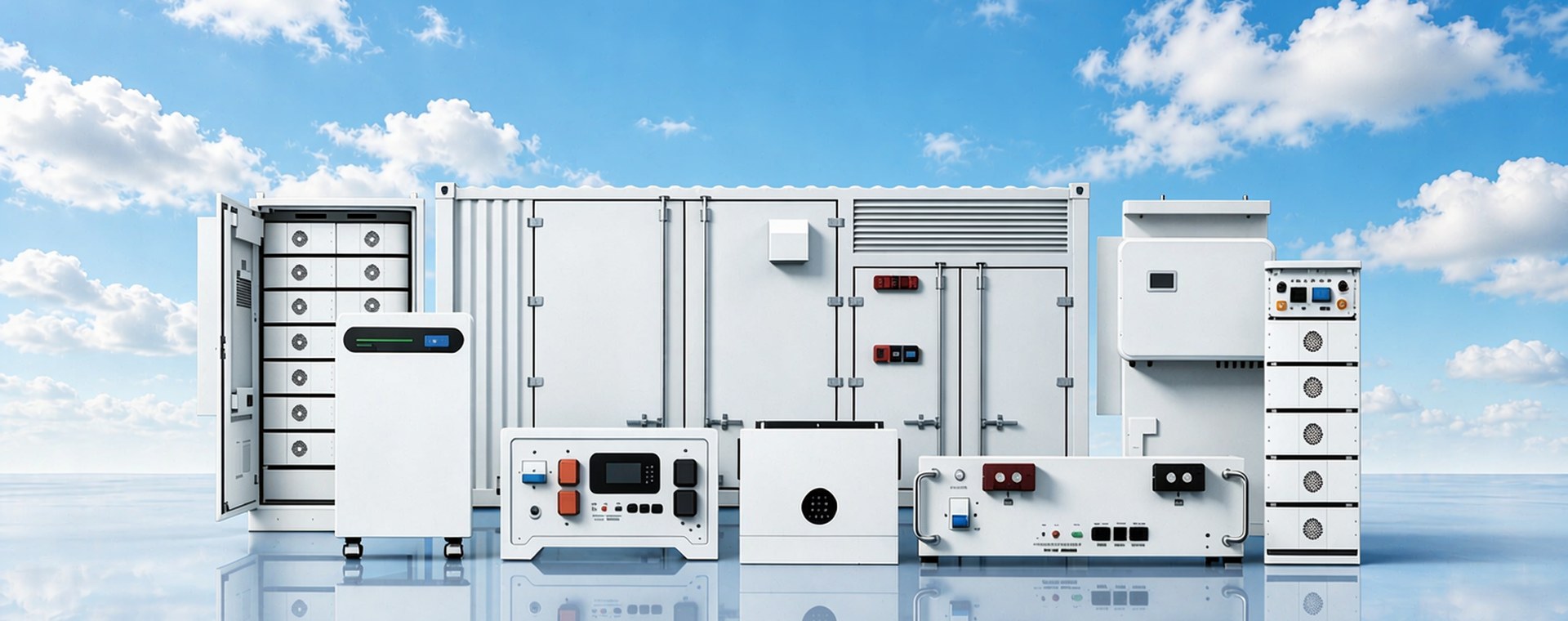
Three manufacturing lines engineered in Suzhou - storage from 1 kWh to 2.4 MWh, DC charging from 30 to 480 kW, and cleaning robots at 1200-2000 m²/h - plus four partner inverter ranges from 3 to 135 kW.

  • Battery Energy Storage - 24 models

    Portable power stations (1-4 kWh), home batteries (5.12-241 kWh), C&I cabinets (112-261 kWh), mobile units and containerized ESS (1.2 and 2.4 MWh).

    • 1-4 kWh portable power stations
    • 5.12-241 kWh home and low-voltage systems
    • 1.2 and 2.4 MWh containerized ESS
    Browse energy storage
  • EV Charging Equipment - 10 models

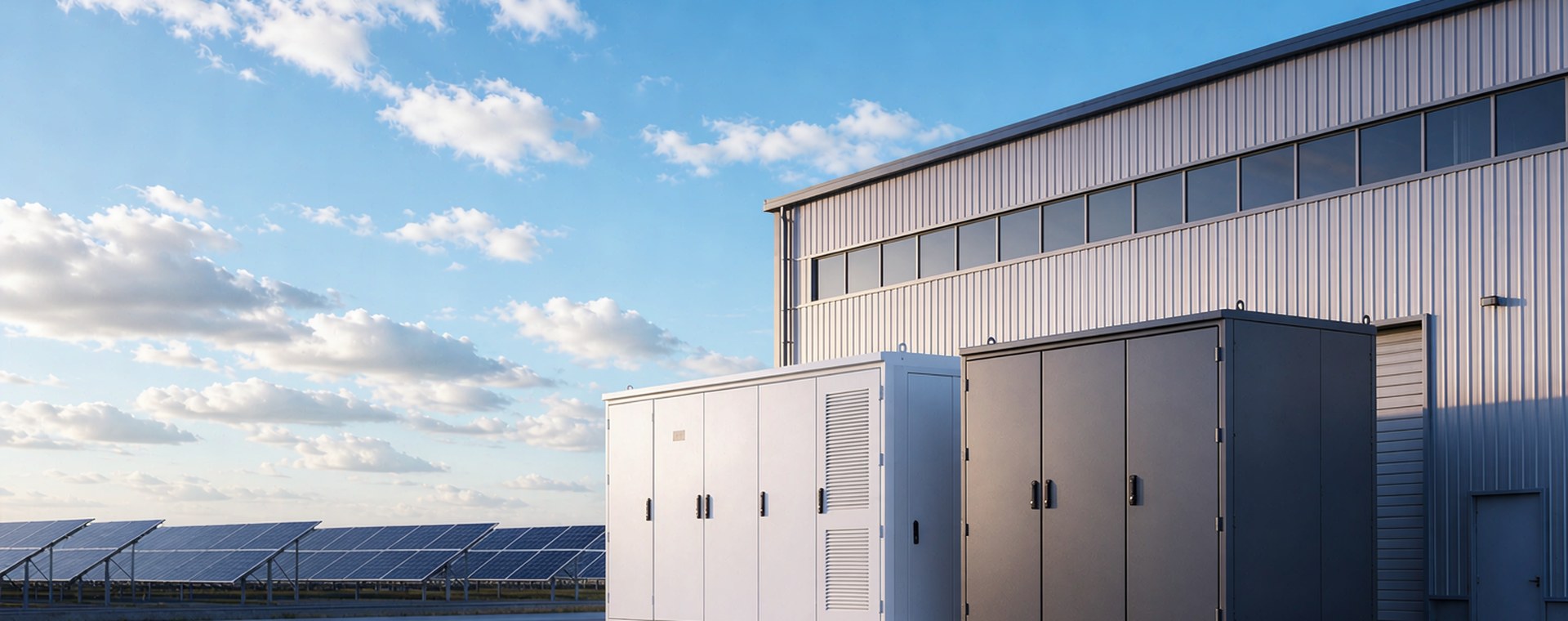
    Mobile EV chargers (60-240 kW), a self-driving charging robot, a 1 MWh containerized station, ground-mounted storage chargers and a 30/60/90 kW portable DC unit.

    • 60-240 kW mobile DC chargers
    • Self-driving charging robot
    • 30-240 kW portable and ground-mounted units
    Browse EV charging
  • PV Cleaning Robots - 5 models

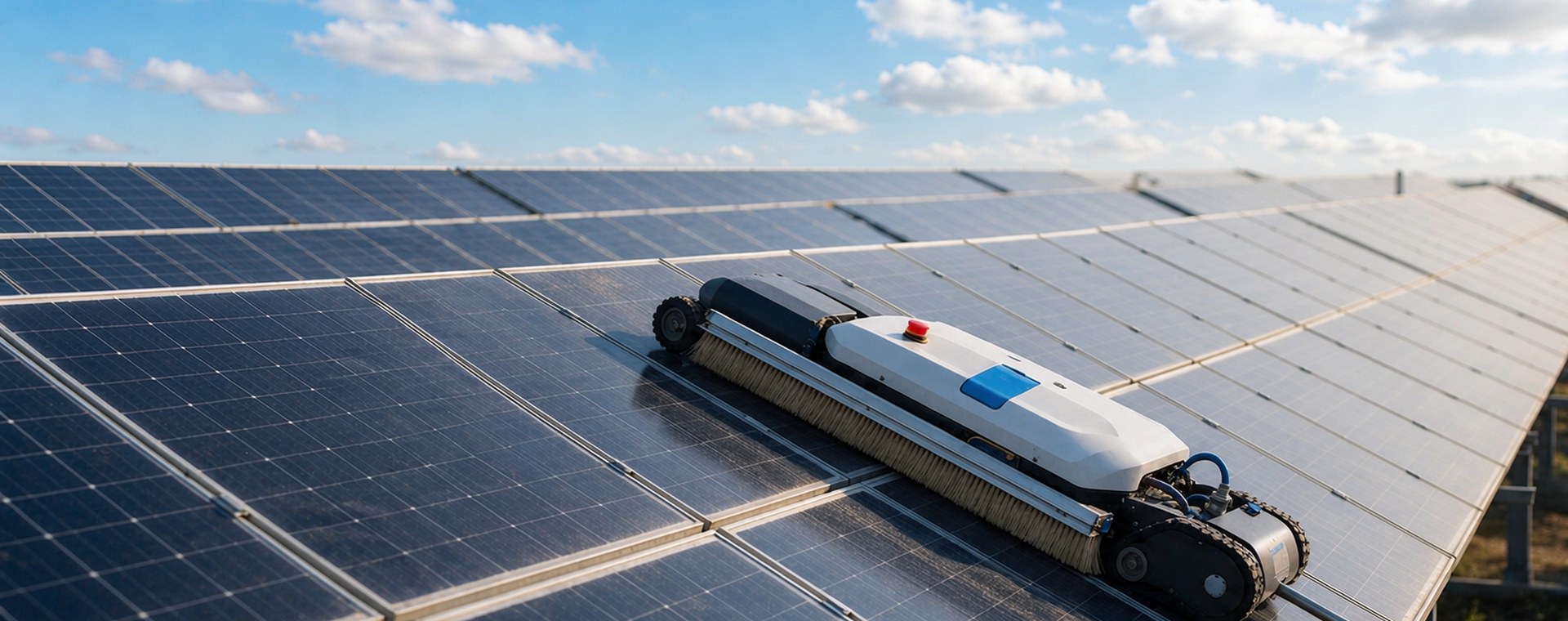
    Five photovoltaic cleaning robots: one that navigates by RTK and returns to its own charging station, four that one operator drives from up to 300 m away.

    • 1200-2000 m²/h cleaning rate
    • 10 to 30 degrees of array inclination
    • IP65 across the range, wet or dry cleaning
    Browse PV cleaning
  • Partner Inverters - 4 brands

    Growatt, Solis, VGRID and Yienergy hybrid and off-grid inverters, supplied and supported by SiRay.

    Partner inverter brands

How We Deploy

One System, Three Ways to Run

The same PV, battery and diesel architecture operates in three configurations. Choose a mode to see what drives it and where it is proven.

Island mode

The microgrid runs disconnected from the utility. Solar serves the daytime load, the battery carries the evening peak, and the genset starts only on the residual deficit. Black start after a full outage is automatic.

What drives it

  • PV priority dispatch, storage second, genset last
  • Battery absorbs the solar surplus that would otherwise be curtailed
  • State of charge is the signal every dispatch decision rests on

Where it fits

  • Islands and remote villages
  • Mining, quarry and construction sites
  • Airports, ports and remote resorts

Grid-parallel

The microgrid stays connected to the utility and handles voltage, frequency and peak demand instead of carrying the whole load. The battery shaves the billed demand peak and the genset or grid covers the balance, so the same hardware serves a much larger load.

What drives it

  • Peak shaving against the tariff's highest billed window
  • Voltage and frequency support where the public grid is weak
  • Seamless transfer between grid and battery on outage

Where it fits

  • Weak-grid communities and rural towns
  • Factories and campuses with demand charges
  • Public facilities and hospitals

Diesel hybrid

Diesel is the guaranteed fallback rather than the primary supply. PV-priority dispatch means the genset only runs to cover what solar and storage cannot, which is where the measured 30-60% reduction in diesel consumption comes from.

What drives it

  • Genset run hours drop, not just fuel volume
  • Storage softens transients so the genset avoids short cycling
  • Remote telemetry means fewer unplanned site visits

Where it fits

  • Off-grid industrial sites with no extension option
  • Construction and field projects
  • Military and defence bases

Field Record

Where Our Systems Run

Eight site scenarios we design for. Every microgrid deployment shares one EMS and one dispatch philosophy, whatever the load looks like.

  • Rendered visual simulation of a containerised battery storage unit and ground-mounted solar array in an island village at golden hour

    Off-grid

    Islands and Remote Villages

    Grid extension is absent or uneconomic, so the microgrid is the only supply.

    Island mode with automatic black start

    Visual simulation — not a client installation.

    Off-grid island power
  • Rendered visual simulation of a containerised battery storage unit and solar array on a gravel pad at an open-pit mine

    Industrial

    Mines and Industrial Sites

    Continuous, high-reliability power for production processes that cannot stop.

    Diesel hybrid cuts run hours 30-60%

    Visual simulation — not a client installation.

    Mining and construction power
  • Rendered visual simulation of a beach resort at golden hour with rooftop solar and a containerised battery storage unit in the service yard

    Tourism

    Resorts and Tourism

    Quiet, clean power that improves guest experience and cuts the energy bill.

    No diesel noise on the guest-facing side

    Visual simulation — not a client installation.

    Read the case study
  • Rendered visual simulation of a containerised battery energy storage unit on a construction site at dusk, with a steel frame under erection and tower cranes behind

    Temporary

    Construction and Field Projects

    Portable, containerized power for a site that will be dismantled later.

    Relocate the asset instead of rebuilding it

    Visual simulation — not a client installation.

    Mining and construction power
  • Rendered visual simulation of a solar carport and containerised battery storage unit on a regional airport apron

    Transport

    Airports and Ports

    Backup and primary power for infrastructure where downtime is not an option.

    Backup graded to the critical load list

    Visual simulation — not a client installation.

    All solutions
  • Rendered visual simulation of a Southeast Asian village street with rooftop solar, overhead lines and a roadside battery storage cabinet

    Weak grid

    Weak-Grid Communities

    Stabilizing voltage and frequency where the public supply is unreliable.

    Grid-parallel with automatic transfer

    Visual simulation — not a client installation.

    Microgrid solution
  • Rendered visual simulation of a tropical rural school with a rooftop solar array and a battery storage cabinet beside the building

    Public

    Public Facilities

    Schools, clinics and community centres in areas the grid serves poorly.

    Sized to a public budget, not a commercial one

    Visual simulation — not a client installation.

    All solutions
  • Rendered visual simulation of solar array and two containerised storage units inside a fenced remote outpost compound

    Defence

    Military and Defence

    Secure, self-sufficient power for remote bases and forward operations.

    No fuel logistics on the critical path

    Visual simulation — not a client installation.

    All solutions

Why SiRay

Four Reasons Buyers Choose SiRay

The system is only as good as the engineering behind it and the service after commissioning.

  • Turn-Key Engineering

    Certified engineers design the complete PV + BESS + Diesel system, from the load list to the bill of materials.

    • Sizing from measured load data, not a rule of thumb
    • Single accountable party for the whole system
  • Reduce Operating Costs

    PV-priority dispatch cuts diesel bills by 30-60% because the genset runs only to cover the gap solar and storage cannot.

    • Fewer genset run hours, not just lower fuel volume
    • Peak shaving against demand charges
  • Global Project Delivery

    Feasibility, sizing, containerized build, factory test, shipping, commissioning and operator training.

    • Factory test before the container ships
    • Operator training as part of handover
  • Remote Monitoring and Predictive Maintenance

    vEMS 2.0: 24/7 monitoring and predictive maintenance on every connected site.

    • Forecast-based maintenance scheduling
    • Alarms raised before a fault becomes an outage

Sizing Guide: Which Capacity Do You Need?

Indicative sizing by site type. SiRay sizes from measured load data before quoting.
Site type Typical load SiRay recommendation
Camping, outage backup, mobile work < 1 kW GPP-1000 / GPP-2000 / GPP-4000
Single home, day-time self-consumption 3-6 kW SNE-ES SW5.0 / GLR-100 / GHA-5000
Home with night autonomy or no grid 6-10 kW GHA-10000 / GHA-16000 / GLR-314
Shop, clinic, small factory 30-100 kW GCB-E100 (112 kWh / 50 kW)
Factory, campus, resort 100-250 kW GCB-E240 (241 kWh / 125 kW) / GLC-261
Utility, island, mine 1-3 MW ESS-1M2-20FT / ESS-2M4-40FT

Reference Project

Southeast Asia island resort: 580 kW of PV, over 1 MWh of containerized BESS, diesel kept as backup. Measured diesel consumption fell 50-70%, and the site has run 24/7 since commissioning.

Read the case study. Tropical Island Resort Microgrid

News & Insights

Product releases, technical notes and buying guidance.

View all news

Common Questions

How long will a 1 kWh portable power station run a fridge?

A SiRay GPP-1000 holds 1004.8 Wh of LiFePO4 capacity. Running a 100 W camping fridge, the GPP-1000 supplies it for about 8 hours on battery alone. With 300 W of solar input connected, the fridge runs through daylight while the pack recharges.

How many cycles does a LiFePO4 home battery last?

SiRay residential battery modules are rated for more than 6000 cycles at 0.5C, 90% depth of discharge and 25 ℃, with a 15-year design life. The SNE-ES F30 and SNE-ES F32 use an 8000-cycle cell. The GLC-261 liquid-cooled cabinet is rated 8000 cycles to 70% end of life.

What is peak shaving and how much can it save?

Peak shaving uses a battery to discharge during the site's highest-demand window and recharge when the tariff is low, which caps the monthly kW peak that drives the demand charge. A SiRay GCB-E100 (112.53 kWh at 50 kW) or GCB-E240 (241.15 kWh at 125 kW) performs this automatically through its integrated three-phase hybrid PCS. The saved amount depends on the load profile and tariff, so SiRay sizes from twelve months of interval load data.

What is a mobile EV charger?

A mobile EV charger is a battery pack, a DC charger and a wheeled chassis in one unit, so it can charge a vehicle at full DC power without a grid connection at the charging point. SiRay mobile chargers carry 75 to 416 kWh of LiFePO4 and deliver 60 to 240 kW DC at 200-1000 V through GB/T, CCS1, CCS2 or CHAdeMO connectors.

What is a solar-storage-diesel microgrid?

A solar-storage-diesel microgrid is a small-scale generation and distribution system that combines photovoltaic arrays, battery energy storage and diesel generators under one Energy Management System. It runs independently in island mode or in parallel with the utility grid, switches between sources automatically and can black-start the site after a full blackout.

Request a Quote