
Soiling on a photovoltaic module is not a switch that flips. It is a layer that builds over weeks: airborne dust first, then the oily film that carries it, then bird droppings that bond on top. Each layer cuts the light reaching the cell and each layer makes the next one stickier.
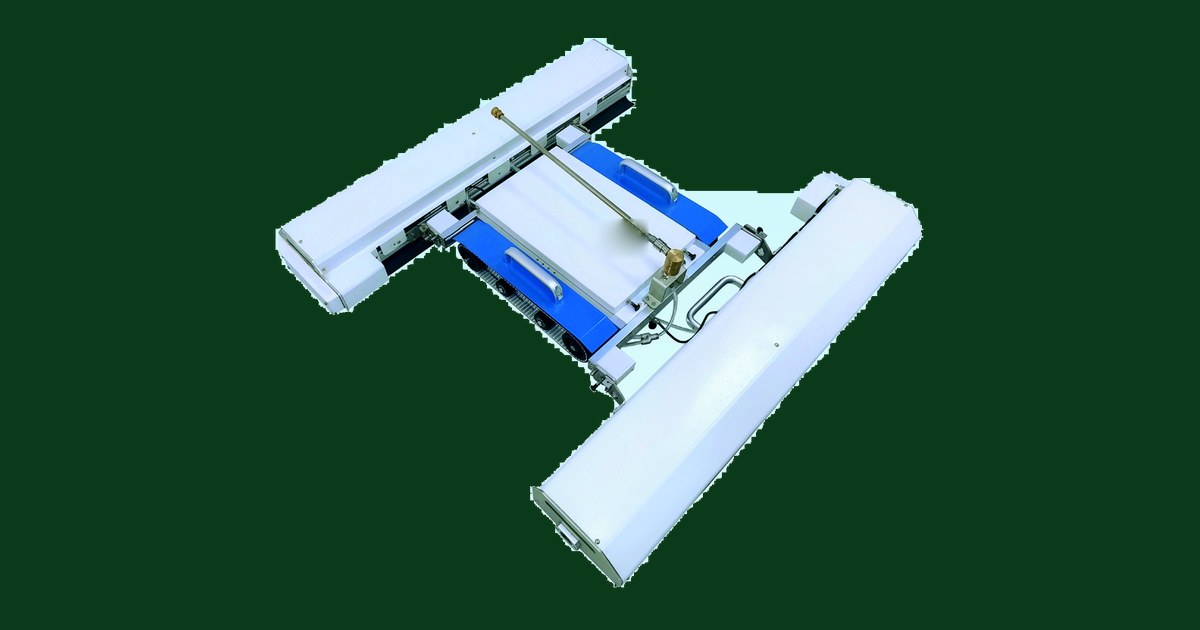
The three contaminants that matter in practice are the three that the SiRay cleaning range is specified to remove: dust, oil stains and bird droppings. A roller brush sweeps the loose material off the glass, and on the wet-capable models a high-pressure spray and a pair of squeegees lift the bonded film in the same pass.
How the loss accumulates
The annual energy loss from soiling is not a single published percentage, because it depends on rainfall, dust load and how long the plant goes between cleanings. What is consistent is the direction of travel: dry dusty regions lose more, and the loss compounds because a dusty module also runs hotter under load, and heat costs output in its own right.
So the practical question for an owner is not what the loss percentage is. It is how often a plant gets cleaned, how long each cleaning takes, and whether the cleaning can be done at all without closing a row or hiring a rope team.
What a cleaning rate means in practice
This is where the machine specifications become useful. A machine rated at 1200 m²/h cleans 1 to 1.5 MW of module capacity in a working day. The machines rated at 2000 m²/h clear 1.5 to 2 MW in the same day.
Put that against a plant of any real size - tens of megawatts is typical for utility-scale - and a single machine is obviously not a one-pass solution. A fleet is. Which is the argument for the autonomous model and its charging station: the work has to happen on a schedule, overnight, without a crew roster, and the economics only work if the machines can run most of the night.
For a smaller commercial plant, or one with a limited array area, the remote-operated machines are the more practical answer. A 1500 m²/h machine covers 1 to 1.5 MW a day, which is most of a rooftop array in a single shift, and one operator can drive all four SR models from 300 m away.
The dry-cleaning caveat
Not every cleaning cycle needs water. The remote-operated machines support dry sweeping with the roller alone, which is the right mode for a rooftop with no water supply and for lightly soiled periods. The limitation to plan around is temperature: wet cleaning is unavailable at or below 0 ℃ on the remote models, so in a cold climate the wet cycle runs seasonally and dry sweeping covers the winter.
The full model-by-model figures are in the cleaning range comparison, and the specification tables on each model page carry the working parameters.